Frequently asked questions
What is Chinese medicine and how does it differ from Western medicine?
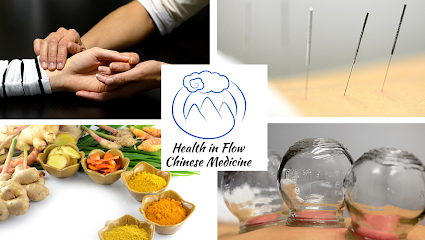
Chinese medicine is a holistic approach to healthcare that has been practiced in China for thousands of years. It focuses on restoring balance and harmony within the body to promote overall well-being. This is achieved through a combination of techniques such as acupuncture, herbal medicine, dietary therapy, and qigong. Unlike Western medicine, which tends to focus on treating specific symptoms, Chinese medicine looks at the body as a whole and aims to address the root cause of health issues. One of the key principles of Chinese medicine is the concept of yin and yang, which represents the balance of opposing forces within the body. Another important concept is the flow of qi, or vital energy, throughout the body's meridians. By restoring balance to these energies, Chinese medicine practitioners believe that they can help the body heal itself and prevent future health problems.
What conditions can Chinese medicine treat?
Chinese medicine is used to treat a wide range of acute and chronic health conditions. Some of the most common conditions that Chinese medicine can help with include pain management, digestive disorders, stress and anxiety, insomnia, women's health issues, and respiratory problems. It can also be used to support the immune system, improve energy levels, and promote overall wellness. Many people also use Chinese medicine as a complementary therapy alongside Western medicine to help manage their symptoms and improve their quality of life. It is important to consult with a qualified Chinese medicine practitioner to ensure that you are receiving the right treatment for your specific health concerns.
What can I expect during a Chinese medicine treatment in Melbourne?
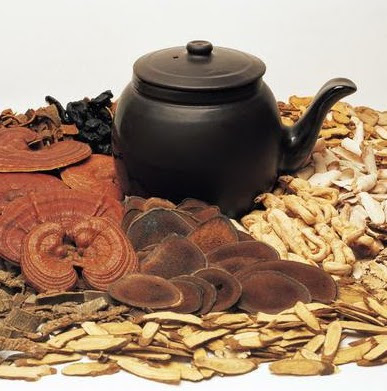
During a Chinese medicine treatment in Melbourne, you can expect a thorough assessment of your overall health and well-being. This may include taking a detailed medical history, examining your pulse and tongue, and discussing your symptoms and goals for treatment. Based on this information, the practitioner will create a personalized treatment plan that may include acupuncture, herbal remedies, dietary recommendations, and lifestyle changes. Acupuncture involves the insertion of thin needles into specific points on the body to help restore balance and promote healing. Herbal remedies are often used in combination with acupuncture to support the body's natural healing processes. Dietary therapy may involve making changes to your diet to support your overall health and well-being. Your Chinese medicine practitioner will work with you to develop a treatment plan that is tailored to your individual needs and preferences.
Is Chinese medicine safe and effective?
Chinese medicine is generally considered to be safe when practiced by a qualified and experienced practitioner. Acupuncture, in particular, is recognized by the World Health Organization (WHO) as a safe and effective treatment for a wide range of health conditions. Additionally, herbal remedies used in Chinese medicine are often plant-based and have been used for centuries with minimal side effects. Many people find Chinese medicine to be effective in managing their symptoms and improving their overall health and well-being. However, it is important to remember that everyone is different, and what works for one person may not work for another. It is always best to consult with a qualified Chinese medicine practitioner to determine the most appropriate treatment plan for your specific health concerns.
 #1