Frequently asked questions
What is a hair transplant procedure?
A hair transplant is a surgical procedure that involves removing hair follicles from one part of the body, typically the back of the head, and implanting them into bald or thinning areas. This process can help restore hair growth in areas where hair has been lost due to genetics, medical conditions, or trauma. There are two main types of hair transplant procedures: Follicular Unit Transplantation (FUT) and Follicular Unit Extraction (FUE). In FUT, a strip of scalp is removed from the donor area and dissected into individual grafts. These grafts are then implanted into the recipient area. FUE, on the other hand, involves extracting individual hair follicles directly from the scalp and implanting them into the balding areas. Both procedures are effective in restoring natural-looking hair growth.
Am I a good candidate for a hair transplant?
Not everyone is a suitable candidate for a hair transplant. Ideal candidates are typically those who have experienced significant hair loss or thinning in specific areas but have enough healthy donor hair for transplantation. It is important to have realistic expectations about the results of the procedure and to understand that it may take several months for full results to be visible. Individuals with certain medical conditions, such as uncontrolled diabetes or autoimmune disorders, may not be suitable candidates for a hair transplant. It is best to consult with a qualified hair transplant surgeon to assess your suitability for the procedure and to discuss your options for restoring hair growth.
What should I expect during the hair transplant procedure?
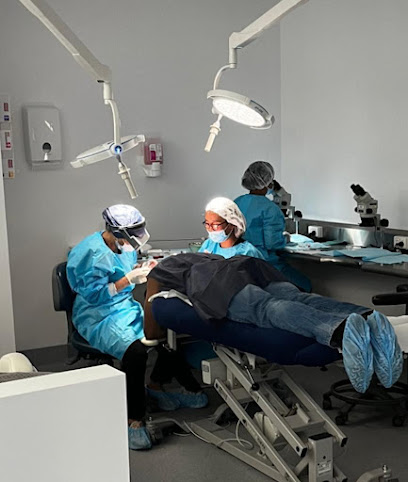
During a hair transplant procedure, you will be given local anesthesia to numb the donor and recipient areas. The surgeon will then extract hair follicles from the donor site, prepare them for transplantation, and implant them into the balding areas. The length of the procedure will depend on the number of grafts being transplanted, but it typically takes several hours to complete. After the procedure, you may experience some swelling, discomfort, or redness in the donor and recipient areas. These side effects are usually temporary and can be managed with medications prescribed by your surgeon. It is important to follow post-operative care instructions to ensure proper healing and maximize the results of the hair transplant procedure.
What are the potential risks and complications of a hair transplant?
While hair transplant procedures are generally safe and effective, there are some potential risks and complications associated with the surgery. These may include infection, scarring, bleeding, or an unnatural appearance of the transplanted hair. It is important to choose a qualified and experienced surgeon to minimize the risk of complications. In some cases, individuals may experience shock loss, where the transplanted hair falls out temporarily before regrowing. This is a normal part of the healing process and should not be a cause for concern. It is important to follow all post-operative instructions provided by your surgeon to reduce the risk of complications and achieve the best possible results.
 #1