Frequently asked questions
What is HIFU treatment?
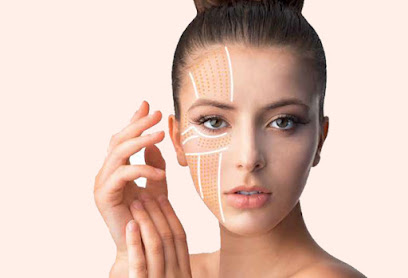
HIFU stands for High-Intensity Focused Ultrasound, a non-invasive treatment that uses focused ultrasound waves to target specific areas of the body. In the case of dermatological treatments like HIFU facials, the ultrasound waves penetrate deep into the skin to stimulate collagen production and tighten the skin. The procedure is painless and requires no downtime, making it a popular choice for those looking to improve their skin's appearance without surgery. During a HIFU treatment, the ultrasound waves are delivered with precision to the targeted areas, heating the tissue below the skin's surface. This stimulates collagen production, which helps to tighten and lift the skin over time. The results of a HIFU treatment are gradual, with optimal results usually seen within a few months after the procedure. HIFU treatments are typically performed by trained professionals in a clinical setting. Prior to undergoing a HIFU treatment, a consultation is usually necessary to assess the patient's skin concerns and determine if they are a candidate for the procedure.
Can HIFU treatments be used for body contouring?
HIFU treatments are not only limited to facial treatments; they can also be used for body contouring. The ultrasound waves can target areas of stubborn fat, such as the abdomen, thighs, and arms, to help reduce fat deposits and tighten the skin. This makes HIFU an effective option for those looking to sculpt and tone their bodies without surgery. One of the key benefits of using HIFU for body contouring is its non-invasive nature. Unlike traditional liposuction procedures, which involve surgery and downtime, HIFU treatments are painless and require no recovery time. Patients can typically resume their daily activities immediately after the treatment. However, it's important to note that HIFU treatments for body contouring may require multiple sessions to achieve optimal results. The number of sessions needed will depend on the individual's body composition and desired outcome.
What are the potential side effects of HIFU treatment?
While HIFU treatments are generally safe and well-tolerated, there are some potential side effects to be aware of. These can include temporary redness, swelling, and tenderness in the treated areas, which typically subside within a few days after the procedure. Some patients may also experience mild bruising, numbness, or tingling sensations. In rare cases, more serious side effects such as burns or skin damage may occur, especially if the treatment is not administered properly. To minimize the risk of complications, it's important to choose a trained and experienced professional to perform the HIFU treatment. Additionally, following post-treatment care instructions, such as using sunscreen and avoiding harsh skincare products, can help to prevent adverse reactions. If you experience any persistent or concerning side effects after a HIFU treatment, it's important to contact your healthcare provider or the clinic where the procedure was performed for further evaluation and guidance.
How long do the results of HIFU treatment last?
The duration of the results achieved from a HIFU treatment can vary from person to person, depending on factors such as age, skin condition, and lifestyle habits. In general, the results of a HIFU treatment can last anywhere from 1 to 2 years, with some patients seeing longer-lasting effects. To maintain the results of a HIFU treatment, it may be necessary to undergo periodic maintenance sessions. These sessions can help to stimulate collagen production and preserve the skin's firmness and elasticity over time. Additionally, adopting a healthy skincare routine and lifestyle habits can also help to prolong the benefits of the treatment. If you're considering a HIFU treatment, it's important to discuss your expectations and goals with a qualified provider. They can help you determine the appropriate treatment plan for your needs and advise you on how to maintain the results for as long as possible.
 #1