Is your business listed here?
Questions and answers
What is laser eye surgery and how does it work?
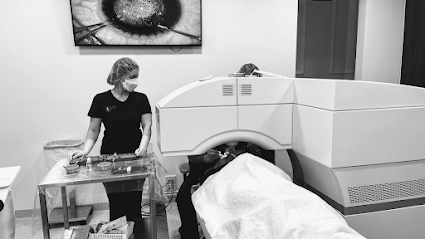
Laser eye surgery is a procedure that uses a laser to reshape the cornea of the eye in order to correct refractive errors such as nearsightedness, farsightedness, and astigmatism. During the surgery, a laser is used to remove a small amount of tissue from the cornea, allowing light to focus correctly on the retina. This results in improved vision without the need for glasses or contact lenses. The most common types of laser eye surgery are LASIK and PRK, both of which are effective in correcting refractive errors. During the procedure, the patient's eyes are numbed with eye drops, and a small flap is created on the cornea to allow the laser to reshape the tissue underneath. The entire process usually takes less than 30 minutes per eye, and most patients experience improved vision immediately after the surgery. Recovery time is typically quick, with vision stabilizing within a few days to a week.
Who is a good candidate for laser eye surgery?
Not everyone is a good candidate for laser eye surgery. Candidates should be over the age of 18, have stable vision for at least a year, and have healthy eyes with no underlying conditions such as cataracts or glaucoma. Patients with certain medical conditions, such as autoimmune diseases, may not be suitable candidates for laser eye surgery. Additionally, pregnant or nursing women are typically advised to wait before undergoing the procedure. Before undergoing laser eye surgery, patients will undergo a comprehensive eye examination to determine their eligibility. The eye surgeon will evaluate factors such as corneal thickness, refractive error, and overall eye health to determine if the patient is a good candidate for the procedure. It is important to discuss any medical history and concerns with the surgeon during the consultation.
What are the risks and side effects of laser eye surgery?
Like any surgical procedure, laser eye surgery comes with risks and potential side effects. Some common side effects include dry eyes, glare, halos, and fluctuations in vision. These side effects are usually temporary and improve over time as the eyes heal. In rare cases, more serious complications such as infection, undercorrection, or overcorrection may occur. It is important for patients to discuss the risks and potential side effects with their surgeon before undergoing laser eye surgery. By following the post-operative care instructions and attending follow-up appointments, patients can minimize the risk of complications and optimize their recovery.
What is the cost of laser eye surgery in Melbourne?
The cost of laser eye surgery in Melbourne can vary depending on factors such as the type of procedure, the surgeon's experience, and the technology used. On average, LASIK or PRK surgery in Melbourne can cost between $2,000 and $4,000 per eye. Some clinics may offer financing options or payment plans to help make the procedure more affordable for patients. It is important to schedule a consultation with a reputable eye surgeon in Melbourne to discuss the cost of laser eye surgery and any available payment options. Some health insurance plans may cover a portion of the cost of the surgery, so it is worth checking with the insurance provider to see if any benefits apply.
How can I find a reputable laser eye surgery clinic in Melbourne?
When looking for a reputable laser eye surgery clinic in Melbourne, it is important to do thorough research. Start by asking for recommendations from friends, family, or your regular eye care provider. You can also search online for reviews and testimonials from previous patients to get an idea of the clinic's reputation. Before choosing a clinic, schedule consultations with a few different eye surgeons to discuss your options. Ask about the surgeon's experience, the technology used, and the success rate of the clinic. It is important to feel comfortable with the surgeon and the staff before undergoing any surgical procedure, so take the time to ask questions and address any concerns during the consultation.
 #1